✓
No hot water troubleshooting
We test the components that actually heat the water—elements and thermostats or the gas valve and ignition system—so the fix targets the true failure, not a guess.
Serving Corpus Christi, Texas & surrounding areas
Mon–Fri 8am–6pm · Sat 9am–2pm
When your hot water quits or a tank starts leaking, you need a tech who can diagnose fast, explain the fix clearly, and restore safe operation without dragging it out.
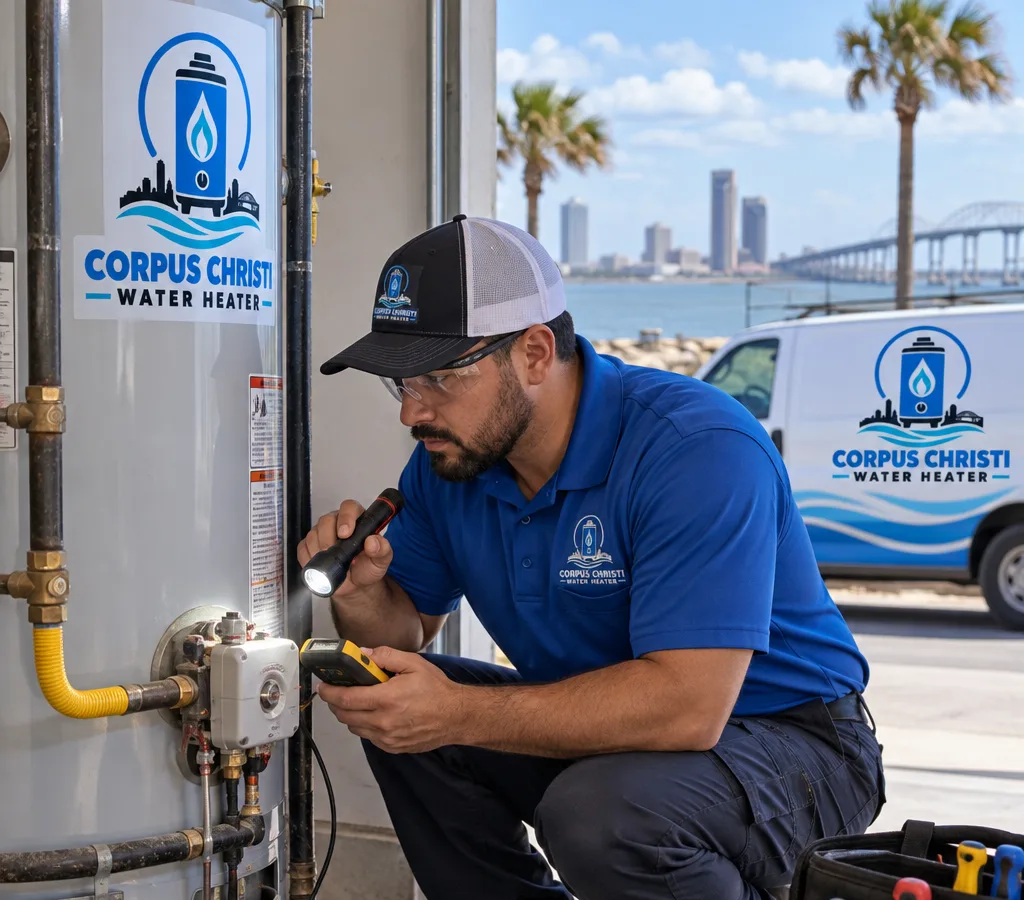
If you are searching for water heater repair Portland, you are usually dealing with one of a few urgent issues: no hot water, water on the floor near the tank, a pilot that will not stay lit, or water that is too hot or not hot enough. Corpus Christi Water Heater handles water heater service Portland residents rely on when the system needs to be made safe and functional again.
Repair starts with identifying the failure point, not guessing. A water heater is a small system with a few components that commonly fail: thermostats and heating elements on electric units; the gas control valve, thermocouple, or flame sensor on gas units; the temperature and pressure relief valve; dip tube; anode rod; shutoff valves; and connections at the top of the tank. We isolate the cause, confirm it with testing, and recommend the most sensible path.
Common repair calls we respond to include:
Because a water heater involves gas, electricity, and scalding temperatures, safety comes first. If you smell gas, see active water spraying, or notice the relief valve discharging, stop using the unit and involve a qualified technician right away.
A solid repair starts with a repeatable inspection. We look at the tank and everything connected to it, then test the controls that actually run the heater.
For gas water heaters, that typically includes confirming safe combustion and draft at the vent connector, checking burner operation, inspecting the pilot or ignition system, verifying the gas control valve response, and confirming proper clearances and combustion air.
For electric water heaters, we verify correct voltage, test elements and thermostats, check wiring condition in the junction box, and determine whether an underlying fault has been tripping the high-limit reset.
On both types, we inspect the T&P valve and discharge line, look for corrosion at nipples and connections, assess the shutoff valve and supply piping, and check for evidence of a slow pan leak or past overflow. If you have a leak, we trace it to the source before discussing parts.
You will get a clear explanation of what failed, what it takes to fix it, and whether the heater shows signs that it is nearing the end of its practical life, including rust streaking, heavy connection corrosion, repeated control failures, or a tank seam leak.
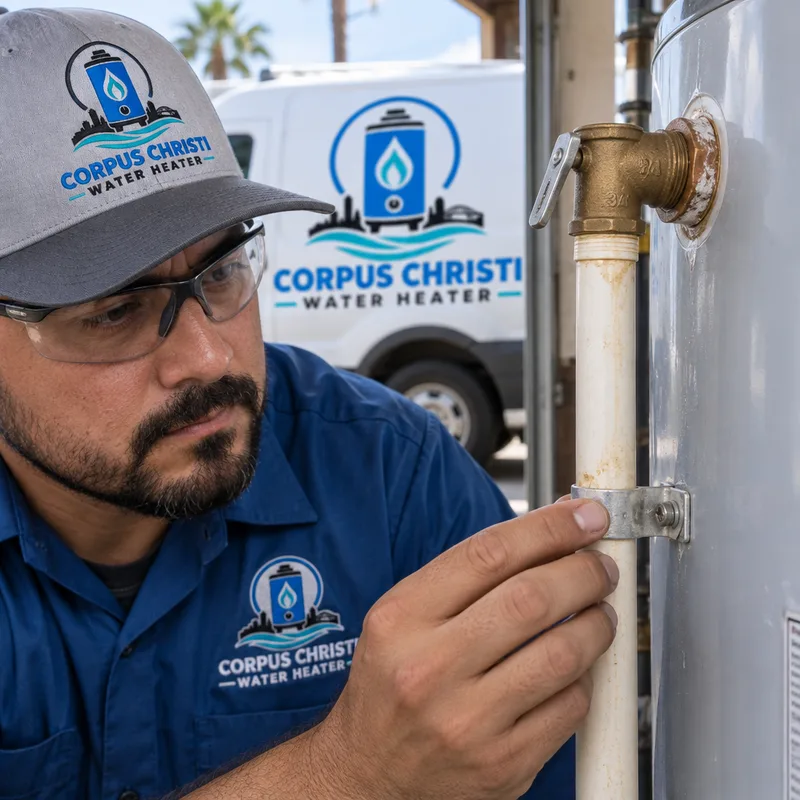
We test the components that actually heat the water—elements and thermostats or the gas valve and ignition system—so the fix targets the true failure, not a guess.
Not every leak means a new tank. We differentiate a fitting or valve leak from a tank leak, then recommend the safest, most cost-effective option.
If the pilot will not stay lit or ignition is inconsistent, we inspect the burner area, safety sensors, and gas control response to restore reliable startup.
A dripping or lifting relief valve can signal excess pressure, temperature issues, or a failed valve. We correct the cause and confirm safe discharge routing.
Popping or rumbling often traces to mineral buildup. We discuss flushing options and what to expect based on tank condition and age.
We verify thermostat settings and performance so you get stable hot water without risky temperature overshoot.
Most water heater repair visits in Portland typically range from about $175 to $650, depending on whether it is diagnosis only, a small part replacement, or a more involved control or ignition repair. Minor fixes like replacing a thermostat, heating element, or T&P valve are often on the lower end, while gas control or ignition-related repairs can trend higher.
Your final price depends on the heater type, part availability, access in a tight closet, attic, or crawl space, corrosion at fittings, and whether multiple components failed. The exact cost is confirmed after an on-site inspection and testing.
We start by confirming the situation: active leaking, gas odor, tripped breakers, no pilot, or relief valve discharge. If the system is unsafe to operate, we stabilize it first.
We use meter testing and manufacturer-specific checks to pinpoint the failing part or condition, then verify whether other components have been stressed.
You get a plain-language explanation of what failed, why it failed, what parts are needed, and whether repair or replacement is the better call for your heater.
After the fix, we confirm stable temperature, proper burner or element cycling, no connection leaks, and correct relief valve behavior.
If we see early signs of tank failure or repeated component issues, we tell you what to watch for and what a realistic next step looks like.
A good repair is one that holds, protects the home, and makes financial sense. Sometimes a water heater can be repaired quickly and run reliably for years. Other times, the tank itself is the problem.
We will walk you through the decision in practical terms. If replacement is the better route, we can help you understand capacity, gas-model venting constraints, and whether your setup supports a standard tank water heater or needs additional evaluation.
Book Your Free InspectionWe woke up to no hot water and thought the whole heater was done. The tech tested everything, showed us which part failed, and had it heating again the same visit. No pressure to replace it.
Maria L.
Our heater was leaking at the top connection. They traced the source, replaced what was needed, and checked for other corrosion so we knew what to watch for.
James R.
Yes, our water heater service covers both gas and electric units, and the diagnostic approach differs for each. Gas repairs often involve burner, ignition, and venting checks, while electric repairs focus on voltage, thermostats, and heating element testing.
A leak from a valve, fitting, or the T&P discharge line can often be repaired, but a leak from the tank body or seams means the tank is failing and replacement is typically required. A technician can confirm the source by drying the area and tracing where water first appears.
A pilot that will not stay lit is commonly related to a failing thermocouple or flame sensor, airflow or combustion issues, or a problem in the gas control valve. Because gas safety is involved, it is best to have the burner compartment inspected and the safety controls tested rather than repeatedly relighting it.
A dripping T&P relief valve can indicate a bad valve, excessive water temperature, or excessive plumbing pressure. The correct fix depends on what is driving the discharge, and the discharge pipe should terminate properly so any release is directed safely.
Many common repairs take 1 to 3 hours once the issue is diagnosed and the right part is on hand, but timing can change if fittings are heavily corroded or multiple components are failing. We will give you a realistic time estimate after the initial testing.
If you have a tankless unit, ask when you reach out, since troubleshooting can vary by brand and venting setup. Tankless issues often relate to ignition, scale buildup, flow sensing, or error codes, and we will confirm whether your specific model is supported before scheduling.
Tell us what your water heater is doing—leaking, producing no hot water, losing its pilot, or making strange noises—and we will schedule a diagnostic visit and give you a clear repair plan before any work starts.